The Waltz King
The Waltz King
Two hundred years on
Johann Strauss II was born in Vienna on 25 October 1825, making 2025 the bicentenary of his birth — the reason his waltzes are getting an extra hearing across the city. He died in 1899, having spent a career turning ballroom dance music into something concert halls took seriously, which is part of why an orchestra still plays it as a full evening's programme rather than incidental music.
A family business in three-quarter time
His father, Johann Strauss I, led one of Vienna's best-known dance orchestras before him and wrote the Radetzky March — still one of the most recognisable pieces from that dynasty, though it's his, not the son's. Johann Strauss II overtook his father's fame and gave the city An der schönen blauen Donau — the Blue Danube — first performed in 1867, the piece most people picture when they hear his name.
Music built for dancing, not just listening
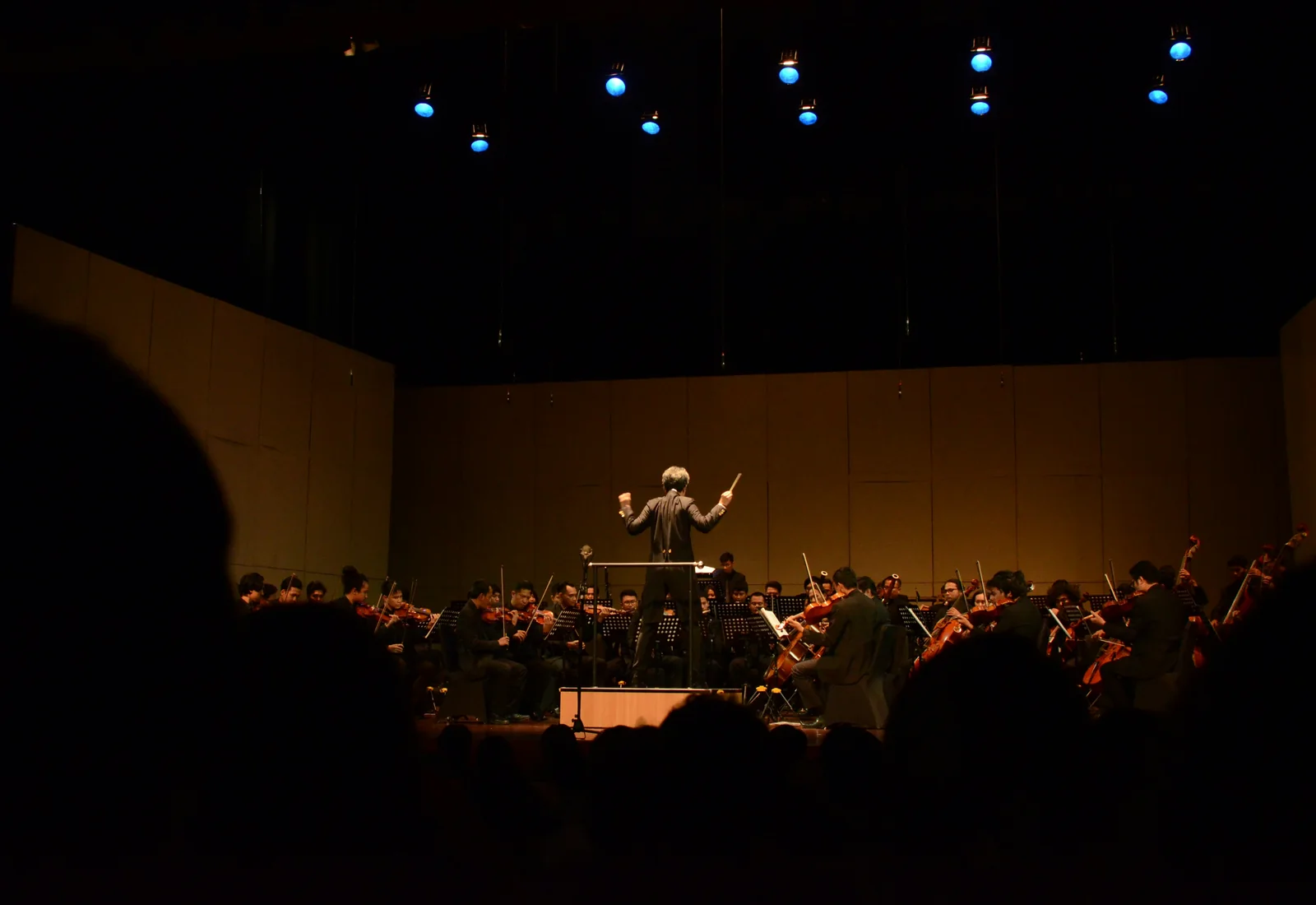
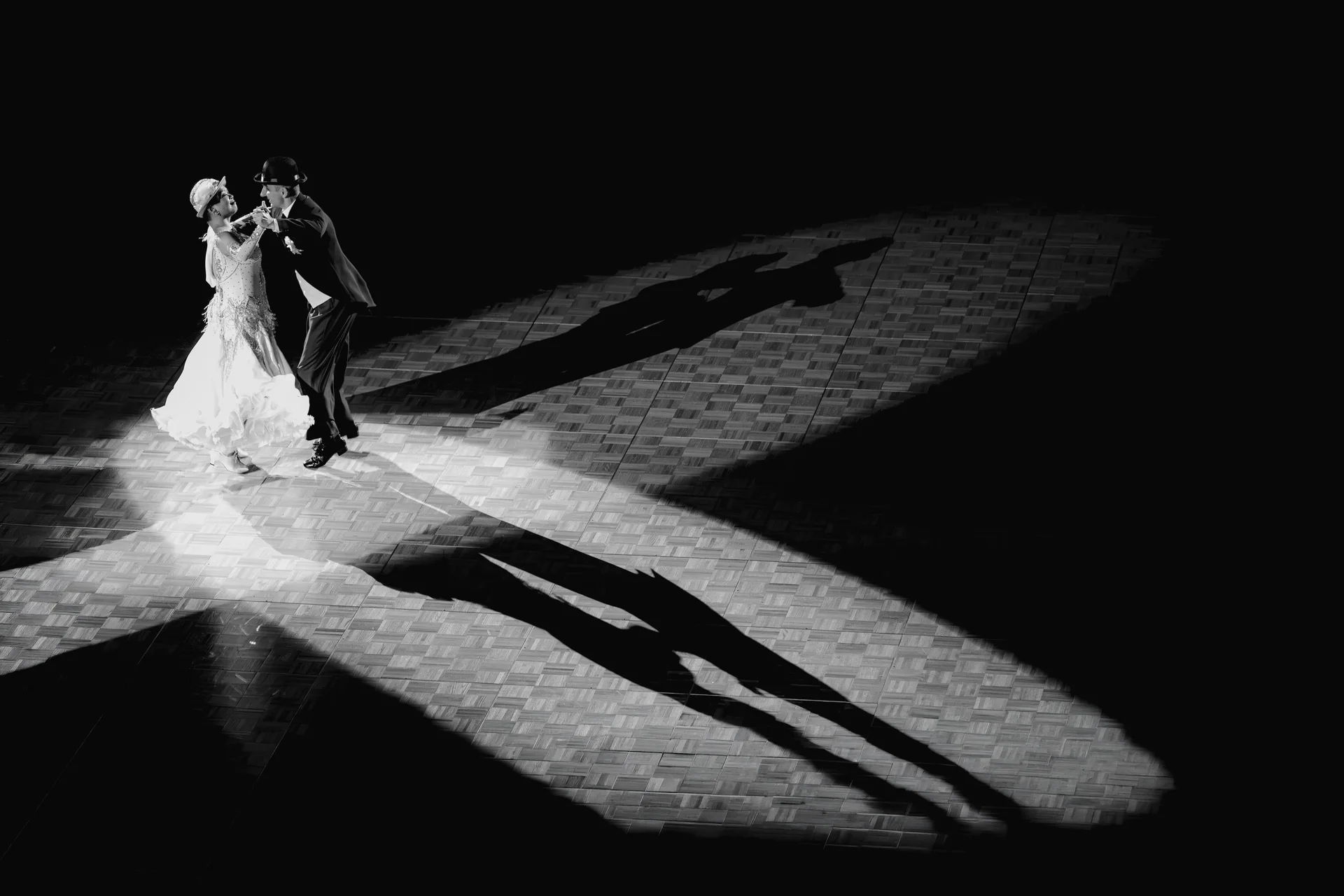
Strauss wrote for ballrooms before he wrote for anywhere else, which is why the programme at the Mirage sits closer to a period dance evening than a seated concert — sung numbers, waltzes and polkas performed by a live orchestra and coloratura sopranos, with ballet dancers among the twenty artists on the night.